Happy Bunny: A Designer’s Review for Real Projects
As an embroidery designer who has spent countless hours digitizing and testing machine embroidery designs, I approach every new file with a critical eye. We all know that a pretty preview image does not always translate to a clean stitch-out on actual fabric. When I first loaded the Happy Bunny design into my software, I was looking for more than just a cute character. I wanted to see if this unique embroidery design of a happy funny face could hold up under the scrutiny of real-world production. For small business owners, Etsy sellers, and hobbyists alike, the difference between a design that looks good on screen and one that sells products is often found in the details.
First Impressions and Visual Personality
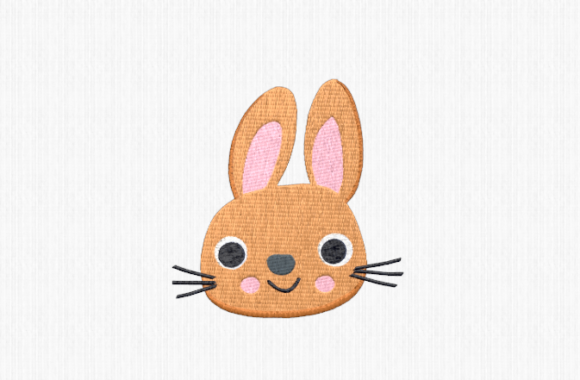
The immediate mood created by Happy Bunny is undeniably cheerful. In the crowded category of Woodland Animals, it is easy to find designs that are overly complex or too generic. This design stands out because of its simplicity and expressive nature. It is a great embellishment for any fabric that needs a sweet smile, exactly as described. The layout feels balanced, avoiding the cluttered look that plagues many amateur digitizations. For a designer, this means less time worrying about thread breaks and more time focusing on product presentation.
The visual personality here is playful yet polished. It does not try to be hyper-realistic, which is a smart move for machine embroidery. Instead, it leans into a stylized aesthetic that works well across various mediums. Whether you are creating a personalized gift for a child or adding a whimsical touch to adult apparel, the design maintains its charm without looking childish or unprofessional.
Real-World Application Scenarios
To truly evaluate Happy Bunny, I imagined it in several practical scenarios. My primary test case was a custom embroidered tote bag. Tote bags are a staple for craft businesses and boutique branding. I envisioned placing the bunny slightly off-center on a natural canvas tote. The result would be a subtle but engaging detail that elevates a basic item into a desirable handmade product. Because the design features a happy funny face, it invites interaction. Customers are drawn to items that evoke positive emotions, making this an excellent choice for retail environments.
Another strong candidate for this design is sweatshirt embroidery. A small chest placement on a pastel-colored hoodie creates a cozy, approachable vibe. Here, the design acts as a focal point without overwhelming the garment. It is also suitable for baby embroidery projects. On a soft muslin blanket or a onesie, the sweet smile adds a tender touch that parents appreciate. However, when working with baby items, one must consider the tactile experience. The stitching should feel smooth against sensitive skin, which brings us to technical considerations.
Technical Performance and Stitch Quality
This machine embroidery design comes with multiple embroidery file formats, which is essential for compatibility across different machines. From a technical standpoint, the transition between stitch types appears thoughtful. While I cannot verify the exact stitch count without loading the specific file, the visual density suggests a balance between satin stitch outlines and fill stitch interiors. This combination is crucial for maintaining shape integrity while keeping the design lightweight.
For those using this as an applique design, the potential is significant. If the bunny’s body is designed as a fill area, it can be adapted for fabric applique, reducing bulk and adding texture. This is particularly useful for thicker fabrics like denim or wool coats. However, if it is a standard fill, attention must be paid to stitch density. High density can cause puckering, especially on thinner fabrics like cotton tea towels or lightweight t-shirts.
When preparing for a project, always check the stitch density in your software. If the design feels heavy, consider increasing the stabilizer strength. A cut-away stabilizer is often safer for stretchy fabrics like sweatshirts, while a tear-away might suffice for stable woven materials like aprons or pillow covers. Testing on scrap fabric is non-negotiable. I recommend stitching out Happy Bunny on the same fabric type you intend to use for the final product to gauge tension and registration.
Navigating Fabric and Hoop Constraints
Not every surface is ideal for every design. Happy Bunny performs best on flat or gently curved surfaces. For example, embroidering on a cap requires careful hooping and possibly a smaller version of the design if available. Curved surfaces can distort the image if the hoop size is not matched correctly to the design dimensions. Always confirm hoop size compatibility before purchasing or starting a job.
Textured fabrics present another challenge. On a fluffy towel or a rough linen, fine details can get lost. Since Happy Bunny relies on facial expression, ensure that the eyes and mouth remain distinct. Thread color contrast plays a huge role here. On dark fabric, use bright, high-contrast thread colors to make the smile pop. On light fabric, softer pastels can create a delicate, vintage look. I advise testing the design in black and white mockups first to check for clarity. If the shapes blend together in grayscale, they may lack definition in real life.
Careful Considerations for Commercial Use
- Fabric Choice: Avoid extremely stretchy or slippery fabrics unless you have advanced hooping skills.
- Washability: For items like kitchen towels or baby clothes that need frequent washing, ensure the stitches are secure and the thread quality is high.
- Small Details: Inspect tiny corners and curves. If the design has very small elements, they may require finer needles and threads to prevent bunching.
- Licensing: Before selling finished items or digital embroidery files, confirm licensing terms. Most designers allow commercial use for physical products but restrict the resale of the digital embroidery file itself.
Enhancing Brand Value and Customer Trust
For Etsy sellers and creative entrepreneurs, consistency is key. Happy Bunny fits well into a brand identity that values warmth, humor, and handcrafted quality. Using such a recognizable and friendly motif can increase buyer engagement. It makes the finished product feel special and considered. When customers see a well-executed embroidery project, it builds trust in your craftsmanship. A clean stitch-out signals professionalism, whereas loose threads or misaligned patterns can deter future sales.
Incorporating this design into your product line can also diversify your offerings. It works for holiday embroidery gifts, such as Easter baskets or spring-themed decor. It can be part of a larger collection of Woodland Animals, providing a cohesive theme for your shop. Printable mockups featuring Happy Bunny can help visualize these products online, boosting click-through rates and conversions.
Final Verdict for Designers and Makers
Happy Bunny is a versatile asset for any embroidery enthusiast. It bridges the gap between whimsical charm and professional execution. By understanding its strengths and limitations, you can maximize its potential in your craft business. Whether you are decorating a simple tote bag or creating a high-end personalized gift, this design offers a reliable foundation. Remember to prioritize proper stabilizer use, thread selection, and fabric testing. With these precautions, Happy Bunny will bring a sweet smile to your projects and your customers’ faces.