Angry Wolf: A Designer’s Review for Branded Merch
As an embroidery designer who has spent years digitizing and reviewing thousands of motifs, I approach every new machine embroidery design with a critical eye. It is not enough for a design to simply look good on a screen; it must perform under the needle, withstand washing, and serve a strategic purpose for the brand using it. Today, I am reviewing Angry Wolf, a bold entry in the Wild Animals category, specifically evaluating its potential for small business merchandise and branded patch use.
The product description highlights this as a high-quality embroidery design suitable for pillows, t-shirts, and sweatshirts, noting that it comes with multiple embroidery file formats. For the professional decorator or boutique owner, these are baseline expectations. However, the true test lies in how this specific motif translates into tangible business assets. Does it elevate a brand, or does it merely decorate fabric? Let us dissect the visual personality and practical application of this design.
Visual Personality and First Impressions
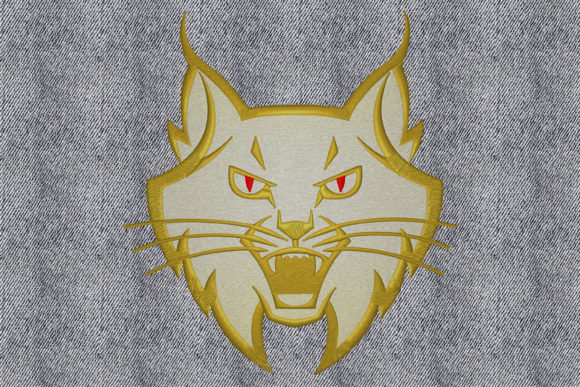
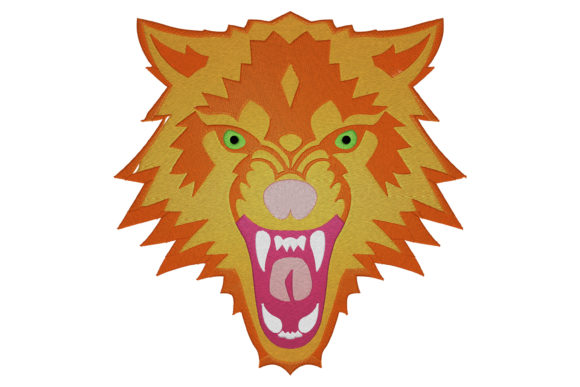
Upon first glance, Angry Wolf projects a sense of raw energy and resilience. Unlike the playful or rustic aesthetics often found in handmade product markets, this design leans toward the bold and modern. The "angry" descriptor suggests intense lines, sharp angles, and a commanding presence. For a brand identity centered on strength, protection, or untamed creativity, this is a powerful visual anchor.
In the context of Embroidery, animal motifs can easily veer into cliché territory. However, a well-digitized wolf can signify loyalty and leadership. The key here is the execution. If the design relies too heavily on dense fills without proper spacing, it risks looking heavy and stiff. Conversely, if the outlines are too thin, they may disappear on textured fabrics. My initial assessment is that this design works best when treated as a statement piece rather than a subtle background element.
Strategic Applications for Small Business Merch
For Etsy sellers, craft studios, and local businesses, versatility is currency. Here is how Angry Wolf performs across various commercial embroidery projects:
- Embroidered Patches: This is arguably the strongest use case. A wolf motif thrives on the structured backing of a patch. It allows for higher stitch density without worrying about fabric puckering. These patches can be sold as standalone accessories or applied to jackets and bags, creating a high-perceived-value item.
- Staff Uniforms and Aprons: Imagine a rugged outdoor gear shop, a craft brewery, or a butcher shop. An apron embroidery featuring this wolf adds a layer of artisanal credibility. It signals that the staff is part of a cohesive, strong team. However, placement is crucial; a chest-left position keeps it professional, while a large back print might feel too aggressive for customer-facing roles.
- Cap Embroidery: Caps present a curved, challenging surface. The Angry Wolf design must be simplified for this application. Complex details get lost in the curve of a baseball cap front. If the digital embroidery file includes a simplified version, it is ideal for headwear. If not, I advise scaling it down significantly to maintain clarity.
- Tote Bag Design: Canvas totes are popular for boutique merchandise. The sturdy weave of canvas handles heavier designs well. Placing the wolf on a tote bag transforms a simple carrier into a fashion statement, appealing to customers who want to display their affinity for wild aesthetics.
Technical Considerations and Production Risks
While the aesthetic appeal is clear, the technical execution requires careful planning. As a designer, I always recommend testing any new embroidery file before committing to a production run. Here are the critical factors to monitor with Angry Wolf:
Stitch Density and Fabric Texture: Animal fur effects often require high stitch counts. On lightweight fabrics like standard t-shirts, this can cause puckering or distortion. You must use a cut-away stabilizer to support the weight of the stitches. For darker uniforms, ensure the thread colors have sufficient contrast. A dark grey wolf on a black shirt will vanish. Consider using metallic or high-sheen threads to make the design pop against dark backgrounds.
Hoop Size Constraints: The product description mentions compatibility with multiple file formats, which is excellent. However, you must confirm the maximum hoop size required. If the design is large, it may not fit on standard home embroidery machines without re-hooping, which introduces alignment risks. Always check the dimensions provided in the file package.
Small Patch Sizes: If you intend to use this as a tiny label or a small chest logo, inspect the spacing between elements. Fine details in the wolf’s eyes or snout may merge together at small scales. Run a test stitch on scrap fabric at the intended size to verify legibility.
Enhancing Brand Identity and Customer Trust
Consistency in visual assets builds trust. When a customer sees the same high-quality Angry Wolf emblem on your website, your packaging, and your physical store apparel, it reinforces brand recognition. This design, when used correctly, moves beyond decoration to become a symbol of your business’s values.
For handmade brands, the perceived value of embroidery is significantly higher than printed graphics. It suggests durability and craftsmanship. By incorporating this design into your small business merch, you signal that you invest in quality. This can justify higher price points for your products. Furthermore, offering custom apparel with this motif can create a sense of community among your customers, turning them into brand ambassadors.
Practical Designer Notes for Implementation
Before you load this design into your machine for a client order or personal inventory, follow this checklist:
- Test in Black and White: Remove color from the preview to check the structural integrity of the design. If it looks muddy in grayscale, it will look messy in thread.
- Verify Commercial Licensing: The description states it is a high-quality design, but always read the specific license terms. Ensure you are permitted to use it for physical goods sold for profit.
- Create a Printable Mockup: Use design software to place the Angry Wolf on photos of your actual products. This helps visualize scale and placement before stitching a single thread.
- Check Thread Color Contrast: Select threads that complement your base fabric. For a premium look, consider using variegated threads to mimic the natural depth of wolf fur.
- Inspect Spacing and Jump Stitches: Open the file in your embroidery software. Look for unnecessary jump stitches that could snag or waste time. Trim and optimize if necessary.
In conclusion, Angry Wolf is a potent asset for brands seeking to project strength and authenticity. It is not a delicate, decorative flourish but a bold statement. When paired with the right stabilizer, fabric, and placement strategy, it can significantly enhance the value of your custom apparel and branded merchandise. Treat it with the technical respect it demands, and it will serve your business well.