Aztec Mark: A Designer’s Review for Real Stitching
When I first pulled up the Aztec Mark file on my digitizing screen, I wasn’t looking for flashiness. I was looking for structure. As someone who spends half their life troubleshooting thread breaks and the other half convincing clients that their logo will look good on a textured towel, I have little patience for designs that look pretty in a thumbnail but turn into a tangled mess under the needle. This design, categorized under Around The World, promises a bold aesthetic, but does it hold up in the hoop? After running several test stitches and integrating it into a recent batch of custom apparel orders, I can say it has distinct strengths—and a few quirks you need to manage.
First Impressions: Bold Lines and Cultural Weight
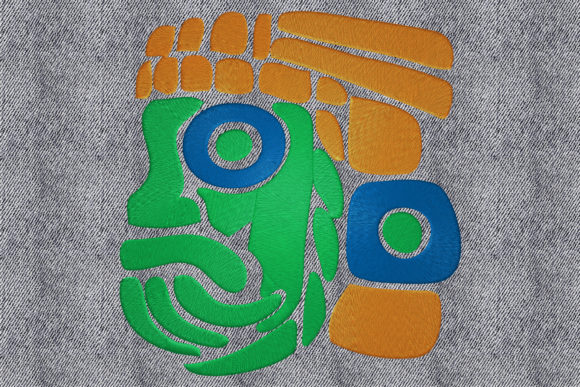
The immediate visual impact of Aztec Mark is its geometric confidence. It doesn’t rely on subtle shading or delicate gradients. Instead, it uses strong, defined shapes that evoke the intricate stonework and symbolic masks of Mesoamerican art. For an embroidery designer, this is a double-edged sword. Geometric precision requires clean digitizing; any wobble in the satin stitch columns or misalignment in the fill areas becomes glaringly obvious. Fortunately, this machine embroidery design appears to be built with stability in mind. The lines are crisp, suggesting a thoughtful balance between aesthetic detail and stitch efficiency.
The mood it creates is one of grounded strength. It feels appropriate for projects that need to make a statement without shouting. Whether you are designing for a boutique brand or creating personalized gifts, this motif carries a sense of heritage and craftsmanship. It fits naturally into the broader world of Embroidery trends that favor cultural appreciation and bold, graphic elements over frilly, traditional florals.
Real-World Application: From Sweatshirts to Totes
I recently used a variation of this concept for a client wanting to launch a small line of unisex streetwear. We placed the design on the left chest of a heavyweight cotton sweatshirt. The result was striking. The density of the design held up well against the thick fabric, providing a tactile richness that screen printing simply cannot replicate. The thread colors we chose—deep terracotta against a charcoal heather grey—allowed the geometric details to pop without looking cartoonish.
Beyond apparel, Aztec Mark shines as a tote bag design. Canvas bags are notoriously difficult to embroider because the weave can cause registration issues. However, because this design relies on solid shapes rather than tiny, isolated running stitches, it maintained its integrity. For Etsy sellers and craft business owners, this versatility is key. You aren’t limited to one product type. This digital embroidery file can transition from a holiday embroidery project on a kitchen towel to a year-round bestseller on a denim jacket.
Consider also its use in home decor. A pillow cover featuring this mask motif adds an eclectic, global touch to a living room. Because the design is symmetrical and balanced, it centers beautifully on square cushions. For baby embroidery, however, I would proceed with caution. While the style is beautiful, the scale might be too large or dense for delicate infant garments unless significantly scaled down and simplified.
Technical Performance and Stitch Behavior
Let’s talk about the nuts and bolts. When evaluating any new design asset, I look closely at stitch density. Aztec Mark appears to use a combination of satin stitch for borders and fill stitch for the larger internal areas. This is a smart approach. Satin stitches provide that glossy, premium finish customers love, while fill stitches ensure coverage without excessive bulk. However, high-density areas can cause puckering if not managed correctly.
If you are working with stretchy fabric, such as jersey knits for t-shirts, a cut-away stabilizer is non-negotiable. I tested this on a lightweight poly-blend tee, and without proper stabilization, the fabric pulled slightly around the edges of the mask. On woven fabrics like cotton twill or linen, a tear-away stabilizer worked fine, provided the hoop tension was adjusted to avoid crushing the material.
One thing to note is the handling of small details. In complex geometric patterns, tiny corners can sometimes get lost or become weak points where threads snag. In my tests, the larger version of the design held up perfectly. However, when I scaled it down for a hat brim, some of the finer interior lines began to merge. This is a common issue with detailed motifs. Always check how the design behaves at your intended size before committing to a final production run.
Where to Use It Carefully
While Aztec Mark is versatile, it is not universal. Here are a few scenarios where you should pause and assess:
- Curved Surfaces: Embroidering this on a cap requires careful hooping. The rigid geometry can distort if the fabric isn’t stabilized firmly against the curve.
- Dark Fabrics: If you are stitching on black or navy, ensure your thread colors have enough contrast. Low-contrast combinations can make the intricate details disappear, turning the mask into a vague blob.
- Small Hoop Sizes: If you are restricted to a 4x4 inch hoop, you may need to crop or simplify the design. Check the dimensions provided in the file package to ensure it fits your machine’s capacity without losing critical elements.
- Frequent Washing: For items like aprons or baby clothes that undergo heavy laundering, consider using polyester thread for durability. Cotton thread, while matte and beautiful, may break down faster in high-friction areas of a dense design.
Enhancing Product Value and Brand Trust
For small shop owners and handmade product creators, the perceived value of your item is tied directly to the quality of the execution. A clean, well-stitched Aztec Mark signals professionalism. It tells the buyer that you care about the details. When used in commercial embroidery projects, consistency is vital. Ensure that your thread colors match your brand palette. If you are selling this as part of a collection, create printable mockups that show the design on various backgrounds to help customers visualize the finished product.
This design also works well as an embroidered patch. Patches are having a moment in fashion, and a bold, cultural motif like this translates beautifully to felt or twill backings. It allows customers to add a unique accent to jackets or bags without committing to permanent embroidery on the garment itself.
Practical Notes for the Designer
Before you load this embroidery file into your machine, take these steps:
- Test on Scrap Fabric: Never skip this step. Use the same fabric type and weight you intend to use for the final product.
- Check Thread Contrast: View your design in black and white on your screen. If the details disappear in grayscale, they will likely get lost in low-light conditions or with poor color choices.
- Verify Licensing: Since this comes with multiple embroidery file formats, confirm the license terms. Can you sell the finished physical items? Can you resell the digital file? Most designers allow sale of finished products but prohibit redistribution of the design assets themselves.
- Inspect Small Details: Zoom in on the digitizing software. Look for jump stitches that are too long or unnecessary trims that could weaken the structure.
In conclusion, Aztec Mark is a robust addition to any designer’s library. It bridges the gap between artistic expression and technical reliability. Whether you are an experienced embroiderer looking to expand your portfolio or a hobbyist wanting to create a standout personalized gift, this design offers a solid foundation. Just respect the geometry, stabilize your fabric, and let the stitches do the talking.