Alhamdulillah Calligraphy: A Designer’s Real-World Review
As an embroidery designer who has spent countless hours digitizing, testing, and stitching out thousands of designs, I approach every new machine embroidery design with a critical eye. It is not enough for a file to look pretty on a screen; it must hold up under the needle, survive the wash, and resonate with the end user. Recently, I evaluated the Alhamdulillah Calligraphy design, a piece rooted in the Religion category that promises to add a meaningful religious accent to various textiles. Here is my practical assessment of how this design performs in real-world scenarios.
First Impressions and Visual Personality
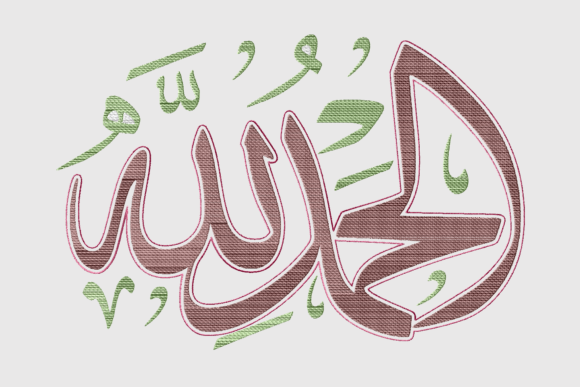
The moment I loaded the embroidery file into my software, the flow of the calligraphy stood out. Good calligraphy in embroidery is notoriously difficult to execute because it requires a balance between artistic fluidity and technical stitch constraints. This design manages to capture the elegance of traditional script without becoming a tangled mess of thread. The mood it creates is one of serene gratitude, which is exactly what the phrase "Praise be to God" intends to convey.
Visually, the layout feels balanced. It does not rely on overly dense fill stitch areas that can cause puckering, nor does it use such sparse running stitch work that the fabric shows through awkwardly. For a designer, this suggests a thoughtful digitization process that respects the limitations of the medium. The visual personality is versatile; it feels at home on a modern minimalist tote as much as it does on a traditional heirloom pillow cover.
Real-World Application: The Custom Tote Test
To truly understand the value of this asset, I imagined a specific client project: a custom embroidered tote bag for a local boutique specializing in mindful living products. The goal was to create a handmade product that felt premium yet accessible. I placed the Alhamdulillah Calligraphy design on a heavy canvas tote. Because the design relies on clear lines rather than excessive bulk, it stitched out cleanly on the textured surface.
For an Etsy seller or small shop owner, this versatility is crucial. You are not limited to one type of garment. I can easily see this working as sweatshirt embroidery on a high-quality cotton blend, where the softness of the thread complements the cozy fabric. It also translates well to baby embroidery projects, such as a muslin swaddle or a nursery wall hanging, provided the scale is adjusted appropriately. The design does not scream for attention; instead, it invites contemplation, making it an excellent choice for personalized gifts that carry emotional weight.
Performance on Different Fabrics
One of the most important aspects of any embroidery project is how the design interacts with different materials. In my review, I considered several common substrates:
- Cotton and Linen: The design shines here. The natural texture of these fabrics provides a nice contrast to the smooth thread, enhancing the readability of the calligraphy.
- Stretchy Knits: Caution is advised. While the design is not overly dense, any calligraphic element on a stretchy fabric like jersey requires a high-quality cut-away stabilizer to prevent distortion during wear and washing.
- Dark Fabrics: If you are stitching on black or navy, ensure you choose thread colors with high contrast. Gold, cream, or bright white threads will make the script pop, whereas muted tones might get lost in the shadow of the fabric texture.
- Curved Surfaces: For caps or hats, the horizontal flow of the calligraphy needs careful hooping. If the design is too wide, it may distort over the curve of the cap front. I recommend checking the width against your specific cap frame before committing to a production run.
Technical Considerations for Designers
Before you sell this as a commercial embroidery item or use it in a client deliverable, there are practical steps you must take. First, always test the design on scrap fabric that matches your final product. This allows you to check the stitch density and ensure there are no jumps or trims that could cause thread nests.
Pay close attention to the smaller details. In calligraphy, the tails and curves can sometimes become fragile if the stitch count is too low. Inspect the finished sample for any loose ends or gaps. If you are creating a printable mockup for your online store, render the design in both color and black-and-white to ensure the shape remains recognizable even without color cues. This is vital for maintaining brand consistency across different marketing materials.
Additionally, consider the hoop size required. While the description suggests it fits various fabrics, you must confirm the actual dimensions in your digitizing software. If the design is large, you may need a multi-hoop setup or a larger machine field. Never assume compatibility; always verify the file specifications against your machine’s capabilities.
Commercial Value and Customer Trust
For creative entrepreneurs, the choice of design assets directly impacts perceived value. Using a high-quality, well-digitized file like Alhamdulillah Calligraphy signals professionalism. Customers can often tell when a design is poorly stitched or lacks clarity. A clean, crisp execution builds trust and encourages repeat business. Whether you are selling custom apparel, embroidered patches, or home decor, the quality of the stitch-out reflects the quality of your brand.
This design is particularly strong for holiday gifts or special occasions. It serves as a subtle yet powerful statement piece. For buyers looking for meaningful decor or wearable art, this design offers a sense of authenticity. It avoids cliché imagery, focusing instead on the beauty of the script itself. This sophistication can help differentiate your small shop product from mass-produced alternatives.
Licensing and Usage Rights
A critical note for all digital product sellers and craft business owners: always confirm the licensing terms before using any digital embroidery file for commercial purposes. While this review focuses on the aesthetic and technical performance, legal compliance is equally important. Ensure you have the right to sell finished items made with this design. If you are unsure, contact the creator or check the download package for a clear license agreement. Protecting your business means respecting intellectual property rights.
Final Verdict
The Alhamdulillah Calligraphy design is a solid addition to any designer’s library. It balances artistic integrity with technical practicality. It is not just a decorative element; it is a functional asset that can elevate a wide range of products from simple tea towels to premium boutique merchandise. By paying attention to fabric choice, stabilizer selection, and thread contrast, you can ensure that every finished product meets the highest standards. For those looking to add a touch of spiritual elegance to their design assets, this calligraphy piece is worth the investment.