Small Car Embroidery Design: A Pro Review for Branded Merch
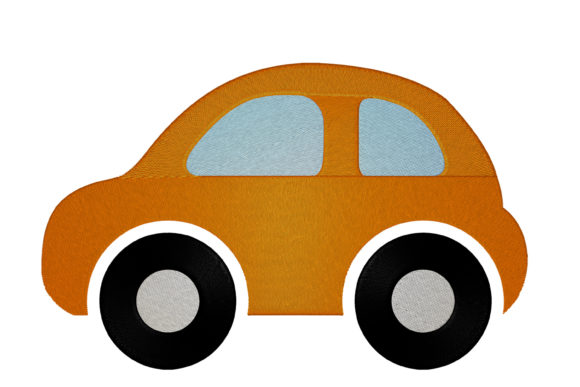
As an embroidery designer who has spent years digitizing and reviewing machine embroidery designs for commercial use, I approach every new file with a critical eye. It is not just about whether a design looks cute on a screen; it is about how it performs on fabric, how it holds up in the wash, and most importantly, how it serves the brand identity of the small business owner purchasing it. Today, I am reviewing the Small Car embroidery design, a digital asset categorized under Toys but with significant potential for broader commercial embroidery applications.
The product description highlights this as a high-quality embroidery design suitable for pillows, t-shirts, and sweatshirts, coming with multiple embroidery file formats. For the serious merch creator or Etsy seller, these details are the starting point, but the real value lies in execution. Let us dive into how this design translates from a digital embroidery file to a tangible business asset.
First Impressions: Visual Personality and Brand Fit
When I first loaded the Small Car design into my editing software, the immediate impression was one of playful professionalism. While the category is listed as Toys, the aesthetic is versatile enough to transcend children’s wear. The lines appear clean, suggesting a modern and friendly vibe rather than a overly rustic or complex illustrative style. This is crucial for small business owners because clarity equals recognition.
For a boutique, a creative studio, or even a local café looking to add a whimsical touch to their staff uniforms, this design strikes a balance. It feels handmade yet premium. It does not scream "cheap novelty"; instead, it suggests a thoughtful, custom apparel choice. If your brand identity leans towards approachable, community-focused, or family-friendly values, this design aligns perfectly. However, if your brand is strictly corporate or minimalist luxury, you might find the playful nature of a car motif requires careful placement to maintain elegance.
Real-World Business Applications
The true test of any machine embroidery design is its versatility across different products. Here is how I envision the Small Car performing in real-world small business merch scenarios:
- Embroidered Patches: This is perhaps the strongest use case. A small car motif works beautifully as an iron-on or sew-on patch. You can apply these to denim jackets, canvas tote bags, or even laptop sleeves. Patches allow customers to buy into your brand identity without committing to a full garment.
- Staff Uniforms and Aprons: Imagine a bakery or a florist shop. An apron embroidery featuring a small car could symbolize delivery services or simply add a charming detail to the front pocket. It breaks the monotony of plain uniforms and adds a layer of visual consistency to your team’s presentation.
- Cap Embroidery: Placing this design on the front panel of a dad hat or trucker cap can create a subtle branded look. However, curvature is key here, which we will discuss in the technical notes.
- Tote Bag Design: Canvas tote bags are a staple for handmade brands. A centered or corner-placed Small Car design adds value to what is often a simple promotional item, turning it into a desirable accessory.
- Customer Gifts and Event Merch: For local businesses hosting events, this design can be embroidered on smaller items like koozies or pouches, serving as a memorable takeaway that reinforces brand recognition.
Technical Considerations for Production
While the design promises high quality, experienced embroiderers know that file format compatibility is only half the battle. Since the description states it comes with multiple embroidery file formats, you must ensure you select the correct one for your specific machine brand. But beyond the file type, there are physical constraints to consider.
Stitch Density and Fabric Texture: One must inspect the stitch density of the Small Car design. If the density is too high for a lightweight t-shirt, it may cause puckering. Conversely, if it is too sparse for a thick towel or pillow, the fabric might show through. Always test on the actual fabric texture you intend to use. For dark uniforms, ensure the thread colors provide sufficient contrast. A pastel car on a navy blue shirt might get lost unless you use a bright underlay or outline.
Hoop Size and Placement: Confirm the hoop size required for this design. If it is designed for a 4x4 hoop, it may be too large for a standard left-chest logo on a fitted polo shirt. For cap embroidery, the curved surface demands a design that is not too wide, or it will distort when stitched. I recommend creating a printable mockup to visualize the scale before hooping your first sample.
Washability and Durability: Items like aprons and work shirts undergo frequent washing. Ensure that the design does not have excessive long stitches that could snag or unravel over time. A well-digitized design will have proper tie-offs and secure connections between color blocks.
Enhancing Brand Identity and Customer Trust
Using a unique design like Small Car does more than just decorate a product; it builds trust. When customers see consistent, high-quality embroidery on your packaging accents or merchandise, they perceive your brand as professional and established. It moves your offering from a generic commodity to a curated handmade product.
For Etsy sellers and crafters, this design can serve as a signature element. Perhaps you offer a line of baby clothes where the Small Car is a recurring motif, creating a cohesive collection. This visual consistency helps with buyer engagement and repeat purchases. It signals that you care about the details, which translates to perceived higher product value.
Practical Designer Notes for Implementation
Before you run a full production batch, follow these steps to ensure success:
- Test in Black and White First: Remove color variables to check the structural integrity of the design. Does it hold its shape? Are the outlines clear?
- Check Small Patch Viability: Scale the design down to the smallest size you intend to sell. If details merge or become indistinguishable, you may need to simplify or avoid using it at that scale.
- Review Thread Color Contrast: Choose thread colors that pop against your base fabric. Use a color chart to match your brand’s palette accurately.
- Use Proper Stabilizer: Match your stabilizer to the fabric weight. Cut-away for stretchy knits, tear-away for stable wovens. This prevents distortion and ensures the finished product looks crisp.
- Confirm Commercial Licensing: Although the description implies usability for various items, always verify the license terms included with the digital embroidery file. Ensure you have the right to use it for commercial embroidery projects and resale.
- Create Client Mockups: If you are doing custom work for a client, present a realistic mockup alongside other design assets to manage expectations before stitching begins.
In conclusion, the Small Car embroidery design offers a charming and versatile option for small business owners looking to expand their merchandise lineup. Whether used for an embroidered patch, a playful apron embroidery detail, or a standout tote bag design, it has the potential to enhance your brand identity. By paying attention to technical details like hoop size, stabilizer choice, and fabric texture, you can transform this digital asset into a high-value physical product that resonates with your customers. Remember, the best embroidery is not just seen; it is felt in the quality of the finish and the pride of the wearer.