Country Music Embroidery: A Designer’s Review for Small Business Merch
As an embroidery designer who has spent years digitizing files and advising small business owners on brand consistency, I approach every new machine embroidery design with a critical eye. It is not just about whether the image looks cute on a screen; it is about how that design translates to fabric, withstands wear, and elevates a brand. Today, I am reviewing Country Music, a digital asset specifically crafted for those looking to add a rustic, musical flair to their product lines.
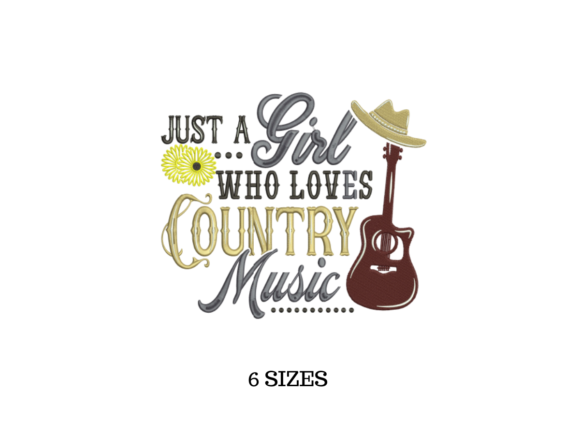
This is a Country Music Embroidery Machine Design. It is positioned as the perfect embellishment for decorating a country music lover's clothing, room, or accessories. For boutique owners, Etsy sellers, and apparel decorators, understanding the practical application of this file is crucial before adding it to your commercial catalog. Let us break down how this design performs in real-world scenarios.
First Impressions: Visual Personality and Brand Fit
The first thing I look for in a new embroidery file is its visual personality. Does it feel premium? Is it playful or serious? Based on the title and description, Country Music leans heavily into a rustic, handmade aesthetic. It feels friendly and nostalgic, which is ideal for brands that want to project warmth and authenticity. This is not a sleek, corporate minimalist logo; it is a decorative piece meant to evoke emotion.
For a small business owner running a local café with a southern twist, a boutique selling western wear, or a creative studio focusing on Americana styles, this design fits seamlessly into your brand identity. It signals to customers that you value tradition and craftsmanship. However, if your brand is ultra-modern or tech-focused, this design might clash with your existing visual consistency. Always compare new design assets beside your current logo and color palette to ensure harmony.
Real-World Applications for Small Business Merch
The versatility of Country Music makes it a strong candidate for various small business merch items. Here is how I envision this design working in a commercial setting:
- Embroidered Patches: This is perhaps the strongest use case. An embroidered patch allows customers to apply the design to jackets, bags, or hats without committing to permanent embroidery. It creates a high-perceived value item that is easy to ship and inventory.
- Custom Apparel: Think beyond basic t-shirts. This design shines on denim jackets, flannel shirts, or canvas tote bags. As a tote bag design, it adds a unique artistic touch that mass-produced prints cannot replicate.
- Staff Uniforms: For businesses like bakeries, florists, or pet brands with a rustic vibe, adding this as a chest accent on aprons can unify staff appearance. Apron embroidery with a thematic design like this reinforces the shop’s atmosphere.
- Cap Embroidery: Placing this on the front or side of a baseball cap can create a trendy, lifestyle-oriented product. However, placement is key due to the curved surface.
When used correctly, these applications turn a simple digital embroidery file into a revenue-generating product. It transforms generic items into branded collectibles that fans of the genre will eagerly purchase.
Technical Considerations and Production Challenges
While the aesthetic appeal is strong, we must address the technical realities of commercial embroidery. The product description notes that this machine embroidery design comes with multi-format options, which is essential for compatibility with different machines. However, there are specific areas where you must exercise caution.
Stitch density is a critical factor. If the design features intricate details or tight lettering, it may not hold up well on textured fabrics like thick toweling or loose-weave linen. I recommend testing the design on the exact fabric type you plan to sell. For instance, if you are doing cap embroidery, the stiff backing and curved hoop require a design that is not too wide or dense, otherwise, it may cause puckering or distortion.
Additionally, consider the hoop size limitations. Ensure that the design fits comfortably within your standard hoops without requiring excessive re-hooping, which increases production time. For small patches, verify that the smallest elements remain distinct. If the design includes fine lines, they might merge during stitching if the thread tension is not perfectly calibrated.
Another common pitfall is color contrast. On dark uniforms or black denim, ensure that the thread colors selected provide enough visibility. A low-contrast choice can make the design disappear from a distance, reducing its impact as a branding tool. Always create a printable mockup or stitch out a sample on scrap fabric before committing to a full production run.
Enhancing Brand Identity and Customer Trust
Why go through the trouble of embroidering when printing is cheaper? The answer lies in perceived value. Embroidery suggests durability and quality. When a customer receives a handmade product with crisp, raised stitching, it builds trust. It shows that attention to detail was paid to every aspect of the finished product.
Using Country Music as part of your merchandise line can enhance customer engagement. It gives fans of the genre a way to express their identity through your brand. This emotional connection drives loyalty. Whether it is a gift with purchase or a standalone item, the tactile nature of embroidery makes the item feel special and worth keeping.
Practical Designer Notes for Implementation
Before you list this item in your online store or offer it to clients, follow these professional steps:
- Test in Black and White: Stitch the design using only black and white thread first. This helps you identify any structural issues with spacing or density without the distraction of color.
- Check Stabilizer Requirements: Use the appropriate stabilizer for your fabric. Cut-away stabilizer is often best for garments that will be washed frequently, while tear-away may suffice for patches or home decor items.
- Verify Licensing: Although this is a digital file, always confirm the commercial licensing terms. Ensure you have the right to use the digital embroidery file for physical goods sold for profit.
- Create Client Mockups: If you are offering customization services, show clients how the design looks on different items. A visual representation helps manage expectations and reduces revision requests.
- Inspect Fabric Texture: Avoid using this design on highly textured materials unless you have tested it thoroughly. Smooth cotton, denim, and canvas are usually the safest bets for clear, crisp results.
In conclusion, Country Music is a versatile and emotionally resonant addition to any embroidery library focused on rustic or musical themes. By paying attention to technical details like stitch density, hoop size, and fabric choice, you can leverage this design to create high-quality custom apparel and accessories that resonate with your target audience. It is not just a decoration; it is a strategic asset for building a cohesive and appealing brand presence.