Realistic Skull Outline: A Designer’s Review for Merch
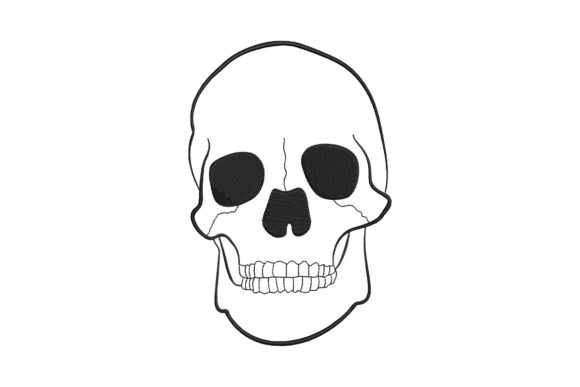
As an embroidery designer who has spent years digitizing logos and testing files on everything from delicate silk to heavy denim, I approach every new machine embroidery design with a critical eye. It is not just about whether the image looks good on a screen; it is about how it translates into thread, how it holds up in production, and most importantly, how it serves the business owner using it. Today, I am reviewing the Realistic Skull Outline, a design that promises versatility for both seasonal Halloween projects and year-round spooky aesthetics. For small business owners, apparel decorators, and handmade brands, understanding the technical and aesthetic nuances of this file is crucial before committing to bulk production.
First Impressions: Visual Personality and Brand Fit
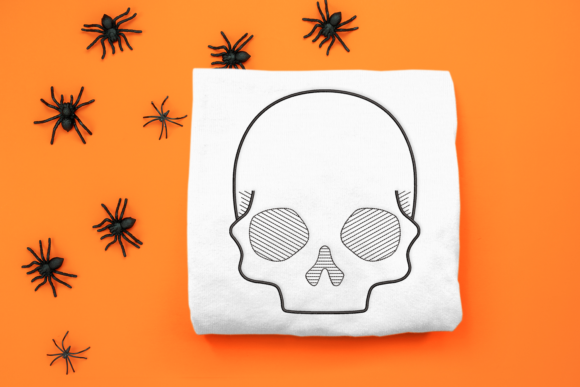
The first thing that strikes me about the Realistic Skull Outline is its balance between realism and stylization. The term "outline" suggests a focus on contour rather than heavy fill, which is often a smart choice for modern branding. In my experience, outline-based designs tend to feel more premium and less cluttered than fully filled motifs, especially when used as accents on custom apparel. This design does not scream "cheap novelty." Instead, it offers a bold, slightly edgy aesthetic that can work surprisingly well for boutique merchandise beyond just October.
For creative studios, tattoo parlors, rock-themed cafes, or alternative fashion brands, this design feels authentic. It carries a handmade product vibe that resonates with customers looking for unique, non-corporate items. However, for businesses aiming for a soft, family-friendly image, this might be too aggressive unless used very subtly. The key is context. As a designer, I see this fitting perfectly into a brand identity that values individuality, strength, or a touch of dark elegance.
Performance in Real Business Applications
When evaluating a digital embroidery file for commercial use, I always ask: where will this live? The description notes that this design comes with multiple embroidery options, which is a significant advantage for scalability. Here is how I envision the Realistic Skull Outline performing across various small business merch categories:
- Embroidered Patches: This is arguably the strongest use case. An outline design translates beautifully to patch manufacturing because it reduces bulk. A skull patch can be sewn onto jackets, backpacks, or hats, allowing customers to customize their own gear. This increases the perceived value of your handmade product.
- Cap Embroidery: Front-panel caps require designs that are not too tall or dense. An outline skull works well here, provided the scale is adjusted correctly. It adds a subtle edge to staff uniforms or customer merchandise without overwhelming the curved surface of the cap.
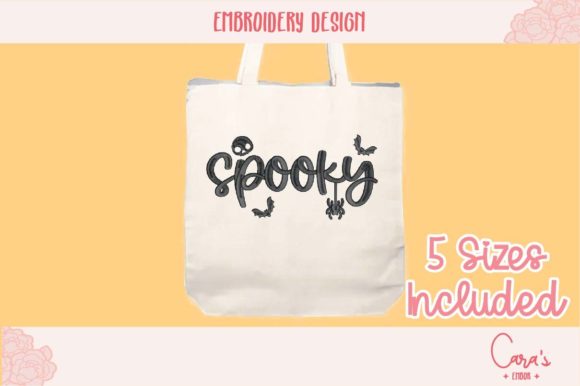
- Tote Bag Design: Canvas totes are popular for bookstores, florists, and eco-brands. Placing a small, realistic skull outline near the bottom corner or as a repeating pattern can create a distinctive look. The open nature of an outline design prevents the fabric from puckering, which is common with heavy fills on thin canvas.
- Apron Embroidery: For bakeries, bars, or artisan workshops, branded aprons are essential. A small skull accent on the chest pocket or strap can serve as a memorable logo mark. It signals a cool, professional atmosphere that appeals to a younger demographic.
Technical Considerations and Production Risks
While the aesthetic appeal is strong, we must discuss the technical execution. Any experienced embroiderer knows that "realistic" and "outline" can sometimes contradict each other if not digitized properly. Here are the critical factors to check before running this design on your machine:
Stitch Density and Fabric Texture: Since this is an outline, the stitch density should be moderate. However, if the lines are too thin, they may disappear on textured fabrics like terry cloth or heavy wool. Conversely, if the spacing between parallel lines in the skull’s contours is too tight, you risk thread breaks or fabric distortion. Always test on the actual fabric texture you plan to use for your finished product.
Stabilizer Selection: Do not skip the stabilizer. Even for outline designs, proper stabilization ensures the shape remains crisp. For stretchy materials like t-shirts, a cut-away stabilizer is recommended to prevent the skull from warping after washing. For woven materials like twill or denim, a tear-away might suffice, but test first.
Size Limitations: The description mentions multiple sizes, but you must verify the smallest viable size. Intricate outlines can lose definition if scaled down too far. If you are using this for a small chest logo on a polo shirt, ensure the details do not merge into a blob. Create a printable mockup at 100% scale to inspect the spacing before hooping.
Enhancing Brand Identity and Customer Trust
Using a high-quality design like the Realistic Skull Outline directly impacts your brand identity. Consistency is key. If your brand is known for edgy, durable goods, this design reinforces that message. When customers see clean, professional stitching on their custom apparel, it builds trust. They perceive your brand as attentive to detail and committed to quality.
Furthermore, offering unique design assets like this sets you apart from competitors who use generic clipart. Whether you are selling on Etsy or supplying local businesses, having exclusive or well-curated embroidery files allows you to charge a premium. It transforms a simple t-shirt into a collectible item. For event merch, such as music festivals or haunted attractions, this design can become a recognizable symbol that fans want to wear long after the event ends.
Practical Designer Notes for Implementation
Before you launch your next campaign featuring this design, follow these practical steps to ensure success:
- Test in Black and White First: Thread colors can distract from structural issues. Stitch out the design in black thread on white fabric to check for gaps, jumps, or uneven tension.
- Check Commercial Licensing: The product description states it is great for Halloween and year-round use, but always confirm the license terms. Ensure you have the right to use this digital embroidery file for commercial embroidery projects, especially if you are selling the finished physical goods.
- Review Hoop Size Compatibility: Confirm that the largest version of the design fits within your standard hoop size. If it requires a jumbo hoop, factor that into your production time and pricing.
- Contrast Matters: An outline design relies heavily on contrast. Ensure your thread color stands out against the fabric. A dark grey skull on a black shirt will vanish. Consider using metallic or variegated threads for a premium effect on darker garments.
- Create Client Mockups: If you are doing work for hire, show the client a realistic visualization. Use design assets to place the skull on a photo of the actual garment. This manages expectations and reduces revision requests.
In conclusion, the Realistic Skull Outline is a versatile asset for the right niche. It bridges the gap between seasonal Halloween fun and permanent brand styling. By paying attention to stitch density, fabric choice, and placement, small business owners can leverage this design to create standout merchandise that drives engagement and sales. Always prioritize quality control, and let the craftsmanship speak for your brand.