Spooky Cookie: A Designer’s Review for Halloween Embroidery
As an embroidery designer who has spent countless hours digitizing and stitching out thousands of files, I approach every new machine embroidery design with a critical eye. It is not just about whether the image looks cute on a screen; it is about how those stitches will behave on fabric, how they hold up after washing, and whether they add genuine value to a finished product. Recently, I evaluated Spooky Cookie, a themed design intended for the Halloween season, to determine if it deserves a spot in my active project rotation.
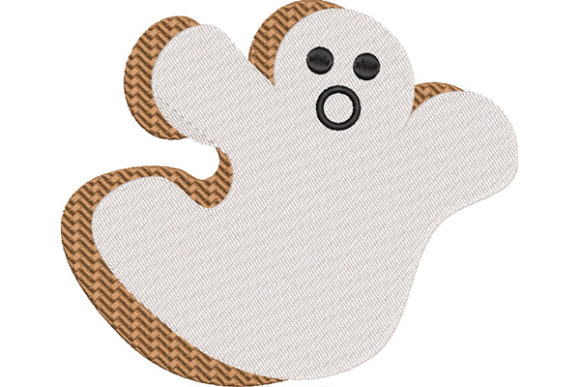
The first impression of Spooky Cookie is one of playful charm rather than genuine horror. This is a crucial distinction for sellers. While some Halloween designs lean into gore or darkness, this piece captures the whimsical side of the holiday. The layout suggests a treat-focused aesthetic, making it ideal for projects where you want to evoke nostalgia and fun. For a designer, the visual personality here is approachable. It does not scream "scary"; it whispers "trick-or-treat." This subtle mood shift expands its usability beyond haunted houses and into family-friendly spaces like nurseries, classrooms, and boutique gift shops.
Real-World Application: The Custom Tote Bag Test
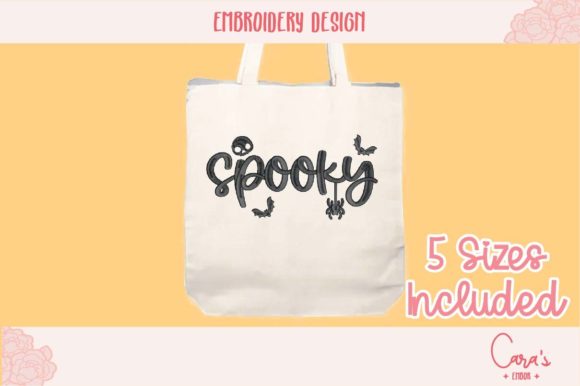
To truly understand the potential of an embroidery file, I mentally place it into a real-life scenario. Imagine a customer ordering a custom embroidered tote bag for a local harvest festival. They want something durable, stylish, and seasonally appropriate without being overly thematic. Spooky Cookie fits this brief perfectly. When stitched onto a heavy canvas tote, the design acts as a focal point that balances simplicity with character.
In this context, the design’s structure matters immensely. If the artwork relies heavily on dense fill stitch areas, it could make the fabric stiff. However, if it utilizes a mix of satin stitch borders and lighter fills, it maintains the drape of the bag. For a craft business owner, this versatility is key. You are not just selling a bag; you are selling a piece of wearable art that feels high-quality to the touch. The model description notes that it looks great on jackets and pillows, which confirms its adaptability across different fabric weights.
Performance Across Different Substrates
One of the strongest assets of Spooky Cookie is its reported compatibility with various materials. The description states it ensures high quality on any fabric, but as experienced makers know, "any fabric" requires careful preparation. Let us break down how this design might perform on common substrates used by Etsy sellers and small shop product creators.
- T-shirts and Sweatshirts: For custom apparel, the design must breathe. Stretchy knits require a cut-away stabilizer to prevent distortion. If Spooky Cookie has intricate details, ensure the stitch density is not so high that it puckers the jersey fabric. A well-digitized file will use underlay stitches effectively to anchor the design without adding bulk.
- Pillows and Towels: These items endure frequent washing and friction. Here, the durability of the thread and the security of the stitch path are paramount. The design’s appeal on towels suggests it likely uses robust stitch types that resist fraying. For pillow covers, consider the texture of the fabric. A plush velvet might swallow fine details, so this design would shine best on smoother cottons or linens where the thread colors can pop.
- Jackets and Outerwear: Stitching on layered garments like denim or fleece jackets requires attention to hoop size and machine capability. If Spooky Cookie is large, ensure your machine can handle the thickness. The result is a cool accessory for parties, adding a personalized touch to everyday wear.
Navigating Technical Challenges
While the design is versatile, there are scenarios where caution is advised. No single digital embroidery file is universally perfect without adjustment. If you plan to use Spooky Cookie on dark fabric, you must consider thread contrast. A spooky theme often benefits from high-contrast palettes, such as bright orange on black or white on navy. However, if the design includes tiny lettering or very fine running stitch details, these may get lost on textured fabrics like terry cloth or heavy wool.
Additionally, curved surfaces like caps present a unique challenge. The distortion inherent in stitching on a curved brim can warp the shape of a cookie or character. If you are creating an embroidered patch to apply later, this risk is mitigated. Patches allow you to stitch on flat, stable material before applying the finished product to the garment. This is a pro tip for commercial embroidery projects where consistency and quality control are non-negotiable.
Enhancing Brand Value and Customer Trust
For creative entrepreneurs, the choice of design assets directly impacts brand perception. Using a high-quality, well-tested design like Spooky Cookie signals professionalism. Customers can spot poorly digitized work from a mile away—jumping threads, uneven satin columns, and excessive pull compensation are dead giveaways. A clean, crisp finish builds trust.
When this design is used in a personalized gift context, such as a baby onesie or a child’s hoodie, the emotional connection is strong. Parents look for items that are safe, soft, and visually appealing. By ensuring the stitch density is appropriate for sensitive skin and using soft threads, you elevate the perceived value of the item. It transforms a simple garment into a cherished keepsake. This is the power of thoughtful design assets; they do the heavy lifting in terms of aesthetic appeal, allowing the maker to focus on execution and presentation.
Practical Notes for the Modern Maker
Before you load Spooky Cookie into your machine for a client order, take these practical steps. First, always test the design on scrap fabric identical to your final project material. This allows you to check tension, thread breaks, and color blending. Second, review the hoop size requirements. Ensure the design fits comfortably within your hoop with adequate margin for stabilization.
Third, inspect the small details. Zoom in on your software preview. Are there any unnecessary jump stitches? Is the color sequence logical? Testing the design in black and white mockups can also reveal if the contrast is sufficient for visibility. Finally, confirm the licensing terms. As an Etsy seller or boutique owner, you must know if the file allows for commercial use of finished items. The description mentions it is a cool accessory for parties, implying broad usability, but always verify the specific license provided by the creator.
In conclusion, Spooky Cookie offers a blend of whimsy and technical reliability that suits a wide range of embroidery project types. From holiday embroidery on home decor to baby embroidery on soft knits, it provides a solid foundation for creative expression. By respecting the material constraints and preparing properly with the right stabilizer and thread choices, you can produce a finished product that delights customers and strengthens your brand reputation. It is a reminder that in the world of handmade goods, the devil—and the delight—is in the details.