Wavy Mandala: A Designer’s Review for Branding
As an embroidery designer who has spent years digitizing patterns and advising small business owners on visual identity, I approach every new machine embroidery design with a critical eye. It is not enough for a pattern to look pretty on a screen; it must perform under the needle, withstand daily wear, and communicate the right message for the brand using it. Today, I am reviewing the Wavy Mandala, a piece that promises intricate beauty and unique character. Based on its description as a stunningly beautiful design suitable for home decor and beyond, I evaluated how this asset translates from a digital concept into a tangible tool for commercial success.
First Impressions: Visual Personality and Brand Fit
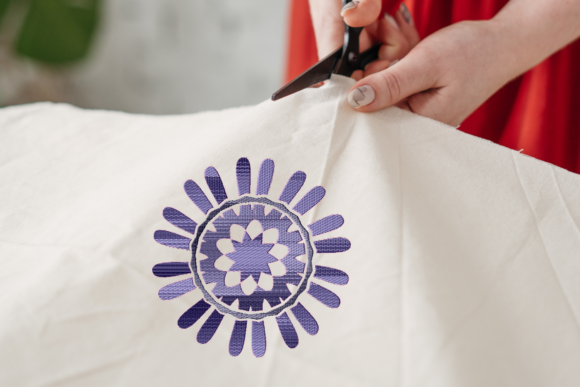
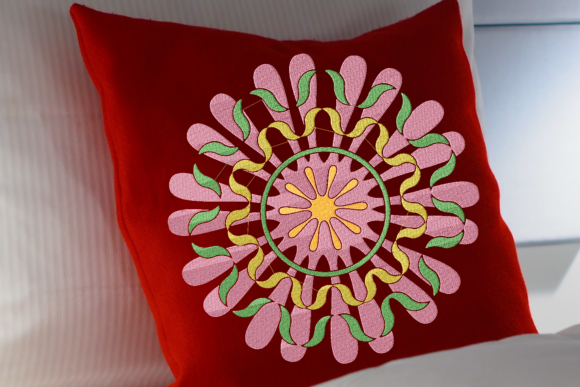
The first thing that strikes you about the Wavy Mandala is its fluidity. Unlike rigid geometric mandalas that can feel cold or overly technical, the wavy lines suggest movement, organic growth, and a handcrafted touch. This visual personality makes it exceptionally versatile. It does not scream "corporate strictness," nor does it feel childish. Instead, it lands in a sweet spot of elegant, modern, and decorative.
For small business owners, this aesthetic is powerful. If you run a boutique florist, a holistic wellness studio, or an artisanal bakery, this design communicates care and attention to detail. It feels premium without being ostentatious. When I visualize this as part of a brand identity, I see it working beautifully for businesses that want to project warmth and creativity. It is not just a logo; it is an embellishment that adds value to the finished product.
Real-World Applications for Small Business Merch
The true test of any digital embroidery file is its application across various merchandise types. Here is how I see the Wavy Mandala performing in real-world scenarios for small business merch:
- Embroidered Patches: This is perhaps the strongest use case. The intricate nature of the mandala allows for a high level of detail that looks impressive when isolated on a patch. You can create iron-on or sew-on patches for customers to add to their own jackets or bags, creating an additional revenue stream.
- Apron Embroidery: For cafes, bakeries, and craft studios, staff uniforms are walking billboards. Placing the Wavy Mandala on the chest pocket or the lower corner of an apron adds a touch of sophistication. It elevates a standard uniform into a branded asset that customers notice and trust.
- Tote Bag Design: Canvas tote bags are a staple for retail shops. The wavy lines of this design would stitch out beautifully on medium-weight canvas, providing a durable and stylish carry-all for your customers. It turns a simple bag into a desirable accessory.
- Cap Embroidery: While complex, if scaled correctly, this design can work on the side panel of a cap or as a smaller accent on the front. It offers a subtle branding opportunity that is less aggressive than a large text logo.
Navigating Technical Challenges and Fabric Constraints
While the Wavy Mandala is visually stunning, experienced embroiderers know that intricacy brings challenges. The description notes it looks "intricate and unique," which implies a potentially high stitch density. Before running a full production batch, you must consider where this design might struggle.
Curved surfaces, such as the front of a baseball cap or the sleeve of a fitted shirt, require careful handling. The wavy lines must maintain their integrity without distorting. If the design is too dense, it can cause puckering, especially on lighter fabrics like cotton t-shirts or linen napkins. Additionally, small patch sizes may lose the finer details of the waves, turning intricate lines into a solid blob of thread. It is crucial to test the design at the smallest size you intend to sell to ensure clarity remains.
Another consideration is fabric texture. On textured towels or heavy denim, the fine details might get lost. Conversely, on smooth satin or high-thread-count sheets, the design will shine. Always match the complexity of the embroidery file to the capability of the material. For dark uniforms, ensure you have a robust underlay strategy to prevent the fabric color from showing through the lighter threads of the mandala.
Enhancing Brand Identity and Customer Trust
Why invest in a detailed design like this? Because it builds trust. In the world of custom apparel and handmade goods, perceived value is everything. A generic clip-art logo feels mass-produced. A well-executed, intricate mandala suggests that the business owner cares about quality. It signals professionalism and artistic integrity.
When customers receive a product with the Wavy Mandala stitched onto it, they are more likely to engage with it. They might take a photo for social media, share it with friends, or keep the item longer because it feels special. This visual consistency across your design assets—from your website mockups to the physical tag on a product—creates a cohesive brand experience. It helps your business stand out in a crowded marketplace, whether you are selling on Etsy or at a local craft fair.
Practical Notes for Production and Licensing
Before you purchase and produce, here are my professional recommendations for integrating this design into your workflow:
- Test in Black and White: Remove color from your simulation software. If the design loses its definition without color contrast, it may rely too heavily on thread hues rather than stitch structure. Ensure the shape holds up in monochrome.
- Check Hoop Size Compatibility: The description mentions bed sheets and home decor, implying a larger scale. Confirm the maximum hoop size required. If you only have a 4x4 hoop, you may need to split the design or choose a smaller version, which could compromise detail.
- Select the Right Stabilizer: Given the potential density, use a cut-away stabilizer for stretchy fabrics like jersey knits for caps or shirts. For woven fabrics like tote bags, a tear-away might suffice, but test first to avoid residue.
- Create a Printable Mockup: Before stitching, place the design on a printable mockup of your intended product. This helps clients visualize the final look and approves the placement before you commit thread and time.
- Verify Commercial Licensing: Always confirm the license terms of the digital embroidery file. Ensure it covers commercial use for physical goods if you plan to sell items featuring the Wavy Mandala. Do not assume; read the fine print.
In conclusion, the Wavy Mandala is a potent tool for the right brand. It is not just a decorative element; it is a strategic asset for commercial embroidery projects that demand elegance and uniqueness. By respecting its technical requirements and leveraging its aesthetic strengths, you can create merchandise that truly resonates with your audience.