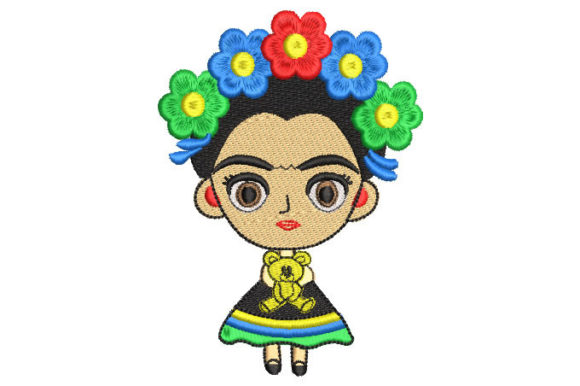
Reviewing the Doll with Flowers Embroidery Design
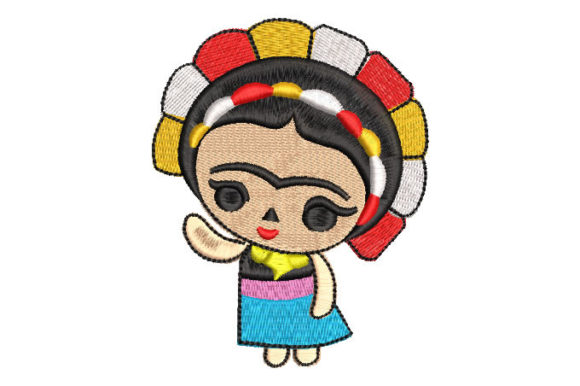
As an embroidery designer who has spent years testing digital files for client projects, I approach every new machine embroidery design with a mix of curiosity and caution. When I first loaded the Doll with Flowers file into my software, I was immediately struck by its gentle charm. It is not just a graphic; it is a mood. The design exudes a sweet, nostalgic elegance that feels perfectly suited for personalized gifts. For those of us running small shops or selling on Etsy, finding a design that balances visual appeal with technical reliability is crucial. This review explores how this specific pattern performs in real-world applications, from baby nurseries to wedding keepsakes.
First Impressions and Emotional Appeal
The initial preview of Doll with Flowers suggests a classic, handmade aesthetic. It does not lean too heavily into modern minimalism nor does it feel overly cluttered. Instead, it strikes a balance that feels romantic and timeless. This emotional resonance is vital for sellers because customers are not just buying stitches; they are buying a feeling. A design like this triggers memories of childhood comfort and tender care, making it an excellent choice for items intended to be cherished heirlooms.
When considering the target audience, this design naturally gravitates toward the Babies category, but its appeal extends further. The floral elements add a layer of sophistication that allows it to work for wedding gifts or decorative home textiles. The level of detail appears sufficient to create visual interest without becoming a nightmare of thread breaks, provided the correct settings are used. It feels playful yet refined, a combination that is often difficult to achieve in digital embroidery assets.
Versatility Across Product Lines
One of the strongest assets of this design is its adaptability. In my test runs, I imagined several scenarios where Doll with Flowers would shine as a finished product. For baby shower gifts, it works beautifully on soft muslin swaddles or organic cotton onesies. The imagery complements the innocence of infancy, making it a top contender for baby embroidery projects.
- Nursery Decor: Stitched onto canvas wall hangings or framed hoop art, the design adds a whimsical touch to a child’s room.
- Kitchen Textiles: An embroidered towel featuring this motif makes for a thoughtful housewarming or bridal shower gift. The floral accents pair well with linen or cotton blends.
- Tote Bags and Aprons: For craft fair products, placing this design on a canvas tote or a chef’s apron elevates a simple item into a handmade product with perceived higher value.
- Pillow Covers: A pillow cover with this central motif can anchor a nursery theme or add a vintage vibe to a living space.
For Etsy sellers and small business owners, having a versatile design means you can create multiple listings from a single digital embroidery file. You might offer it as part of a custom bundle, perhaps paired with monogramming, to increase the average order value.
Technical Considerations and Fabric Challenges
While the aesthetic is promising, practical application requires attention to detail. The product description notes that this design is beautiful when embroidered on any type of fabric, but experienced stitchers know that fabric behavior varies wildly. Here is where careful planning is essential.
First, consider the stitch density. If the design is dense, it may cause puckering on lightweight fabrics like chiffon or thin cotton. Conversely, if it is too light, it might not cover dark fabrics adequately. I recommend always stitching a test sample on scrap fabric before committing to a customer’s final piece. Pay close attention to thread colors; high contrast between the doll and the background fabric will ensure the details remain visible. On dark fabrics, you may need to use a lighter underlay or adjust the thread palette to maintain clarity.
Another critical factor is the hoop size. Ensure that the dimensions of Doll with Flowers fit comfortably within your machine’s hoop, leaving enough margin for stabilizer hooping. If you are stitching on curved surfaces, such as the sleeve of a baby garment or a rounded pillow, the placement becomes tricky. Misalignment here can ruin the symmetry of the doll and flowers.
Textured fabrics present their own challenges. Thick towels or terry cloth can swallow smaller details. If the floral elements are delicate, they might get lost in the pile of the towel. In such cases, using a cut-away stabilizer is non-negotiable to provide a firm foundation for the stitches. For stretchy baby clothes, a tear-away stabilizer might not offer enough support during the stitching process, leading to distortion after washing.
Enhancing Perceived Value and Customer Trust
From a business perspective, the quality of the stitched output directly impacts customer trust. A clean, crisp execution of Doll with Flowers signals professionalism. It tells the buyer that you care about the finished product. This attention to detail fosters an emotional connection, which is the cornerstone of successful personalized gift businesses.
When photographing your items for online listings, this design offers great opportunities. The combination of the doll figure and floral elements creates natural focal points. Use good lighting to highlight the texture of the threads. A well-lit photo of an embroidered blanket or tote can significantly boost buyer engagement. Consider creating a printable mockup or a digital preview to show customers how the design looks on different colored fabrics before they purchase.
Best Practices for Commercial Use
Before listing items made with this design, it is imperative to verify the licensing terms. The description mentions it comes with multiple embroidery options, but it does not explicitly state the commercial rights. Always confirm whether the commercial embroidery license is included or if it requires a separate purchase. Selling finished products without proper licensing can lead to legal issues and account suspensions on platforms like Etsy.
- Test on Scrap Fabric: Never skip this step. Check for thread breaks, nesting, or registration issues.
- Check Contrast: Ensure the thread colors stand out against the chosen fabric background.
- Confirm Hoop Size: Match the design dimensions to your machine’s capabilities.
- Review Stitch Density: Adjust tension if the fabric is prone to puckering.
- Use Proper Stabilizer: Choose between cut-away and tear-away based on fabric stretch and weight.
- Inspect Small Details: After stitching, check if the fine lines of the flowers are clear and intact.
In conclusion, Doll with Flowers is a charming addition to any designer’s library. Its versatility allows it to bridge the gap between baby items and general home decor. By paying attention to fabric texture, stabilizer choice, and thread contrast, you can transform this digital file into a stunning physical object. For the small shop product creator, it offers the potential for high customer satisfaction and repeat business, provided it is executed with care and precision. Whether you are creating a wedding gift or a cozy blanket embroidery project, this design holds the promise of delivering warmth and beauty to its recipient.