Curly Pumpkin: A Designer’s Review for Fall Craft Fairs
As an embroidery designer who has spent countless hours behind the hoop and even more time standing behind a booth table, I know that not every design translates into sales. Some designs are technically perfect but visually quiet. Others are bold but impractical to produce in bulk. When I first loaded the Curly Pumpkin machine embroidery design onto my tester, I was looking for that sweet spot between aesthetic appeal and production efficiency. This review breaks down how this specific design performs when you are trying to build a profitable inventory for Thanksgiving and Halloween markets.
First Impressions: Whimsical Meets Rustic
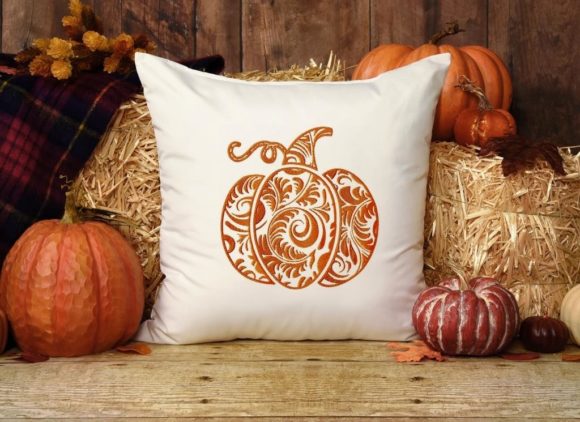
The title alone suggests a departure from the standard, rigid jack-o'-lantern silhouettes we see everywhere in October. Upon stitching out the sample, Curly Pumpkin delivers a vibe that is undeniably festive yet soft. It feels less like a spooky Halloween graphic and more like a cozy fall decoration. The curly elements add a layer of whimsy that appeals to buyers looking for handmade products with personality. For a craft fair product, this distinction is vital. You want items that stop shoppers in their aisles, and the unique curvature of this pumpkin offers a visual break from the typical geometric fall motifs.
This design bridges the gap between cute and rustic. It is not overly childish, which means it has a broader demographic appeal. It works equally well for a young family buying matching holiday outfits and for an older customer looking for a charming kitchen accent. That versatility is gold for a small shop product.
Product Application and Versatility
The true test of any digital embroidery file is its adaptability. I evaluated Curly Pumpkin across several common handmade product categories to see where it shines brightest.
- Tote Bag Design: This is perhaps the strongest application. The design scales beautifully as a central focal point on canvas totes. It provides enough visual weight to justify a higher price point without requiring excessive stitch time.
- Apron Embroidery: Placing this on the bib of a linen or cotton apron creates an instant bestseller. It turns a utility item into a giftable handmade product perfect for hostesses.
- Tea Towel Embroidery: Here, caution is required. While charming, the curly details need to be checked against the fabric texture. On waffle weave or thick terry cloth, the finer curls might get lost. It performs best on smooth flour sack towels.
- Embroidered Patch: If you offer iron-on or sew-on patches, this design is ideal. It holds its shape well when cut out, provided you use a stiff stabilizer.
For Etsy sellers and boutique makers, this design also lends itself well to smaller goods like fabric pouches and pillow covers. It acts as a strong brand identifier if you use consistent thread colors across your line.
Production Practicality for Batch Selling
When preparing for a weekend craft fair, time is your most limited resource. You cannot afford designs that require constant thread changes or complex trimming. Curly Pumpkin appears to be designed with efficiency in mind. The flow of the curls suggests a continuous stitch path, which minimizes jumps and trims. This makes it a viable option for batch production.
However, you must consider the stitch density. Dense areas can cause puckering, especially on lighter fabrics like tea towels or thin tote bags. Before committing to a large run, always test the design on scrap fabric identical to your final product. Check if the curls pull the fabric inward. If they do, you may need to adjust your tension or switch to a heavier cut-away stabilizer rather than a tear-away.
Another critical factor is how the design photographs. In today’s market, your online presence drives foot traffic to your booth. Curly Pumpkin has clear outlines that render well in photos. It creates high contrast against neutral backgrounds, making it easy to create eye-catching printable mockup listings for your Etsy shop or social media ads.
Navigating Technical Challenges
While the design is robust, there are careful-use notes every embroidery business owner should heed. The "curly" nature implies intricate curves. On curved surfaces, such as baseball caps, these curves can distort if not hooped correctly. If you plan to sell embroidered caps, ensure you are using a cap frame and testing the placement carefully. The design may need to be scaled down slightly to fit the narrow front panel of a hat without wrapping around the sides.
Additionally, consider thread contrast. On dark fabric, light threads will make the curls pop, but on patterned fabric, the details might vanish. Stick to solid, high-contrast thread colors to maintain the integrity of the design. If you are using variegated threads, ensure the color change does not obscure the delicate curl ends.
Boosting Visual Appeal and Brand Value
In a sea of mass-produced decorations, Curly Pumpkin helps elevate the perceived value of your finished product. It signals attention to detail. Customers at craft fairs are often looking for something unique that they cannot find at big-box stores. This design feels bespoke. It adds a layer of premium quality to simple items like market bags or kitchen linens.
Consistency is key for brand recognition. If you use this design across multiple product types—say, a matching set of a tote bag and a tea towel—you create a cohesive collection. This encourages bundle purchases, increasing your average order value. The festive nature of the pumpkin ties directly into the Thanksgiving season, creating a sense of urgency for buyers who want to decorate their homes before the holiday.
Designer Notes for Final Production
Before you list this as a commercial embroidery product or start stitching your inventory, follow these final steps:
- Verify File Details: The description states this machine embroidery design comes with multiple embroidery file formats. Always check that you have the correct hoop size version for your machine. Do not assume one size fits all.
- Check Licensing: Confirm the commercial license terms. Ensure you are allowed to sell physical finished products made with this digital embroidery file. Most designers allow this, but it is crucial to read the specific agreement.
- Create Real Mockups: Do not rely solely on digital previews. Stitch the design on your actual stock fabric. Compare how it looks in natural light versus booth lighting.
- Test Stabilizers: Match the stabilizer to the fabric texture. A heavy denim tote needs different support than a lightweight linen napkin.
In conclusion, Curly Pumpkin is a strong contender for your fall lineup. It balances whimsical charm with production practicality. By paying attention to fabric choice and stitch density, you can turn this design into a standout craft fair product that drives engagement and sales. Whether you are an experienced Etsy seller or a new handmade shop owner, this design offers the flexibility needed to create a diverse and appealing inventory for the autumn season.